Do mice eat insulation materials and why do they do so?
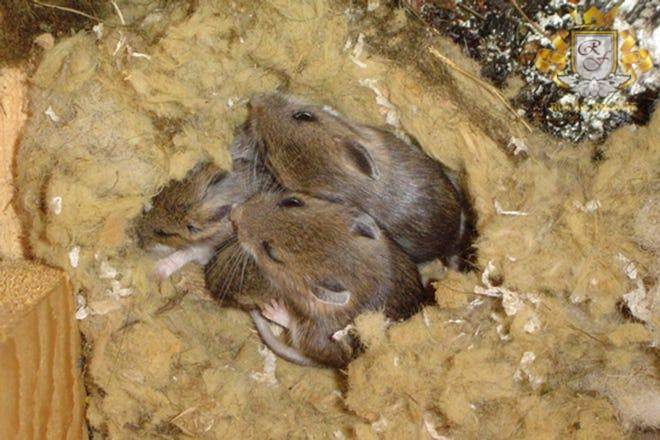
Unfortunately, rodents such as rats and mice can easily get through the insulation. Read on – here it is! There can be two reasons why mice nibble on foam or other insulating materials:
- The desire of mice to sharpen their teeth is a common phenomenon in rodents, and they find this process particularly attractive in thermal insulation and any other building material.
- Attempts to obtain food – even inedible insulation materials can be chewed through by mice in the hope of obtaining food.
As you can see, the choice of thermal insulation is not an easy task that should be approached with a full sense of responsibility so that you do not waste time and effort on saving yourself from unwanted neighbours in the future.
What kind of insulation is not eaten by mice, and is there such a thing?
To this end, we conducted a two-week experiment: We selected 5 cell types from:
- expanded polystyrene (foam)
- basalt wool
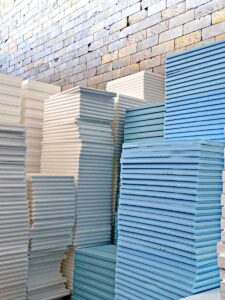
- extruded polystyrene foam (Styrofoam)
- prefabricated clinker thermal panels
- and a combination of all types of insulating materials.
Rock and basalt wool is an insulating material that many people believe is not eaten by mice. It is made from rock and consists of inorganic fibres bonded with resins. Like basalt wool, rock wool has a high density and is obtained by melting and rapidly cooling rock. Do mice live in rock wool? Of course, and they can bite through it, even if it’s not edible.
As we saw in the first hour of the experiment, the mouse in the basalt wool cage began to actively poke a hole in the right corner of the cage and collect wool fragments to close the hole to its nest. The video can be seen here:
👉https://youtube.com/shorts/1O0slmkEQb4
All thermal insulation must be reinforced
Gnawed insulation and mice: reviews of other tasty insulation materials
What other insulating materials are a treat for mice? For example, chipboard or particle board and fibreboard. They are made of organic materials, so mice not only gnaw through them in search of food, but also eat them because they mistake them for food
Minvata also offers no protection from mice. It is soft and loose, fibrous and is often perceived by mice as a natural habitat. Do mice eat mineral wool? It cannot be said with certainty that mice eat mineral wool, as it is not very attractive in terms of flavour and nutritional physiology. But one thing is clear: mice quickly find an opportunity to chew through it and search for food.
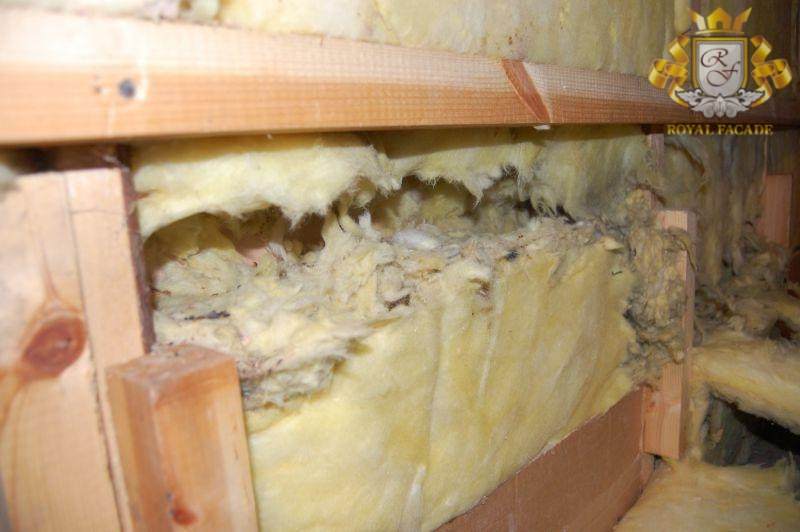
Mice have chewed their way through basalt wool
Do mice eat polystyrene and what makes it attractive to them?
Nowadays, expanded polystyrene (foam is the common name for polystyrene) is increasingly in demand as thermal insulation. And there is a lot of information on the Internet about the fact that mice will definitely eat your house if you insulate it with polystyrene foam! Can a mouse eat polystyrene – many people ask themselves this question. In fact, no. Both foam and extruded polystyrene are inorganic heating materials that are unlikely to be eaten by rodents.
In contrast to extruded polystyrene, however, foam has a lower density and is easier to chew through. In addition, mice can tear the foam with their paws, making it even more vulnerable. But the most important thing is that polystyrene is a safe way for mice to get into the house and look for food, it is simply a barrier to food access. It’s not easy to close the openings in the foam, plus the rodents need to be removed as they will likely try to get back into the house. The answer to the question of whether mice nibble on polystyrene is clear: they do, and with pleasure, but only if the polystyrene foam is not sufficiently firmly attached to the load-bearing walls and protected from penetration from all vulnerable sides by a durable material, such as, in our case, the external cladding with clinker or porcelain stoneware tiles in thermal panels.
Our test video shows that in a cage with four insulation materials, it is the foam and wadding that suffer the most, as they are not protected from the outside. Video: 👉 https://youtu.be/xbKzS9pwZ_o
The situation is slightly different for insulation materials that are denser than polystyrene. This is extruded polystyrene foam. It is more difficult for mice to gnaw through because it is denser. Additional reinforcement of the material protects against rodent penetration.
Mice also cannot eat it because it is non-organic and heavy. Extruded polystyrene is very popular in the insulation category because it helps to protect the house as much as possible from rodents. It is not attractive as a snack and is difficult to work with. Even if the mouse tries to gnaw through it, it will quickly give up because it realises that there is no point in bothering with it. Video: 👉https://youtu.be/7qXTyqUrnFM
The video clearly shows that extruded polystyrene is the least popular of all insulation materials. In the video, this material was practically undamaged over the course of the week, even without external protection. We can therefore recommend it without hesitation as the best and safest option in the event of rodent intrusion! But the cost of the extruder does not always suit most customers. We therefore strongly recommend using it at least for the first basement row of panels and corners!
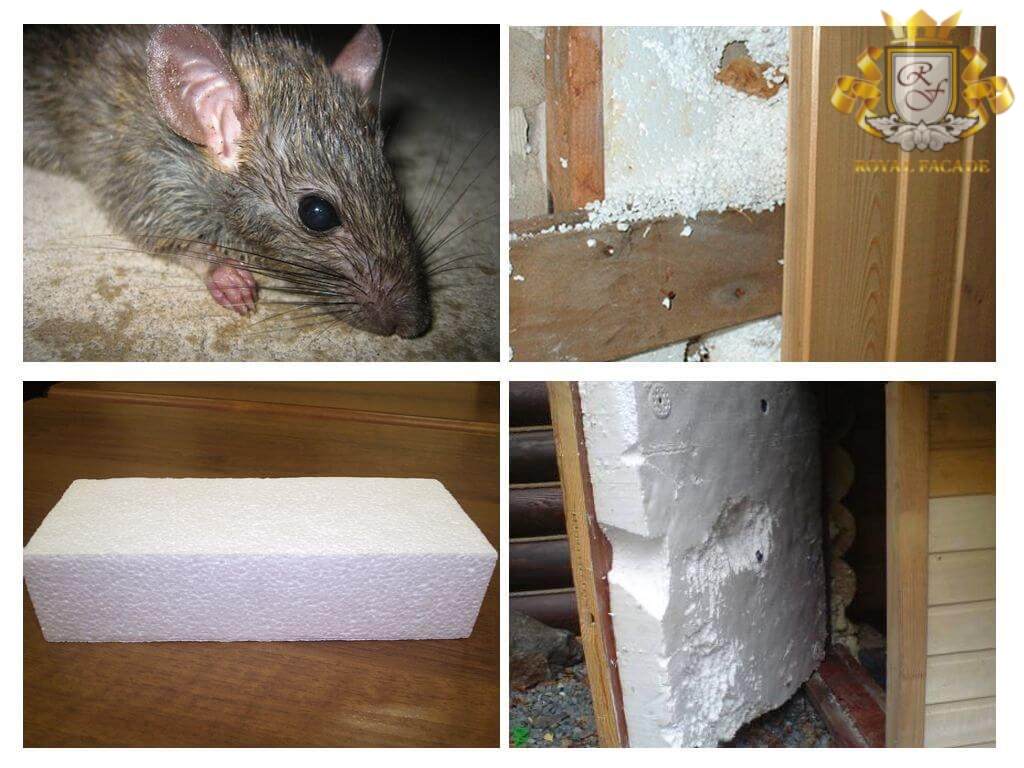 Styrofoam must always be protected
So to summarise, the question – What kind of insulation will mice not gnaw on? The answer is that they can gnaw on anything, because a mouse is a rodent that will gnaw on anything that gets in its way and encounters an obstacle that is weaker than its teeth! However, according to our experiment, there is an insulation that is less likely to be damaged, even if it is not protected from the outside.
For our part, we can give some advice on how to reduce the risk of rodent damage to insulated façades:
- Any insulated material on the façade should be carefully protected from the outside (the external protection should be stronger than the rodents’ teeth, it can be made of stone, ceramic, brick, clinker, concrete or porcelain stoneware).
- The inside of the insulation adjacent to the load-bearing surface of the wall should be firmly glued to the continuous adhesive mass, which is applied around the perimeter of the insulation and is no more than 5 mm thick.
- The use of a metal starter strip is mandatory for the first row of panels.
- However, if you notice that mice have taken up residence in your home, don’t be put off. This is a good reason to get a cat or a tomcat so that you can defend yourself naturally!
Let’s not end there, but say that thermal insulation in a house is important, especially in cold weather. It is worth paying attention in advance to which insulation to choose and where to install it. Testing has shown that extruded polystyrene foam is one of the best options today. However, its effectiveness has only been proven in the case of increased protection and the use of additional reinforcement. It is the correct approach to the method of installing thermal insulation that guarantees successful use for many years without the risk of uninvited neighbours.
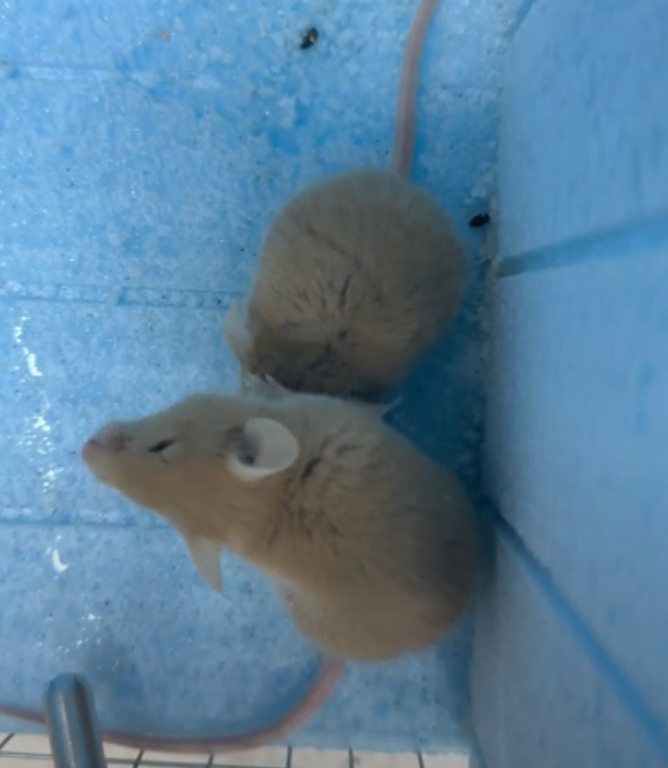
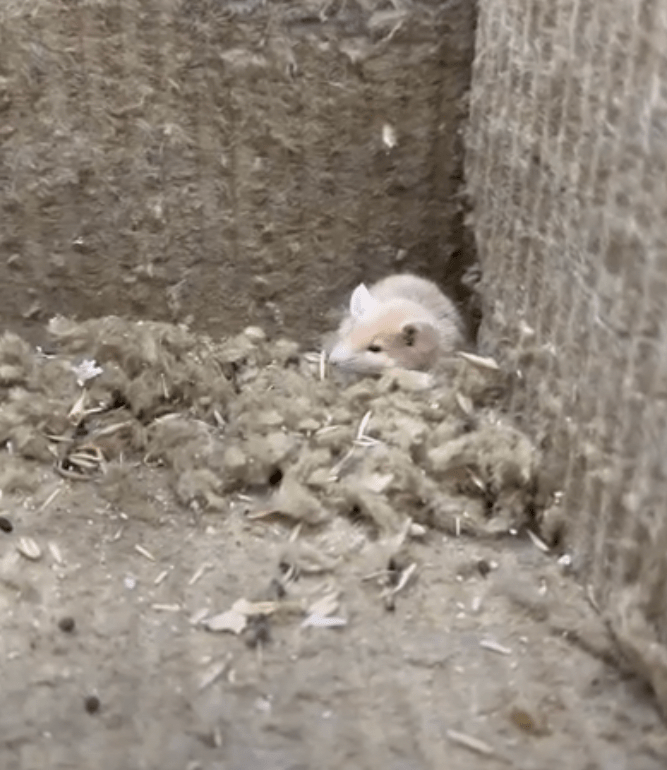
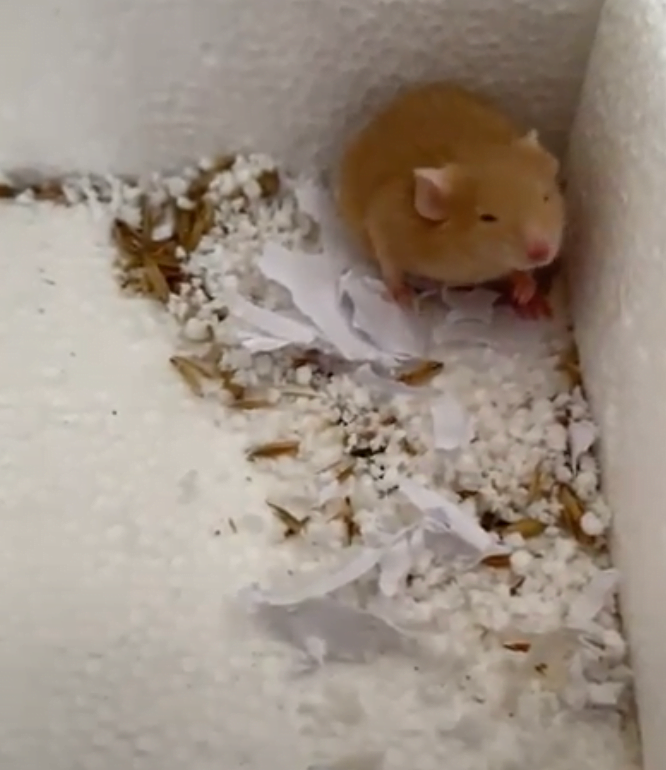
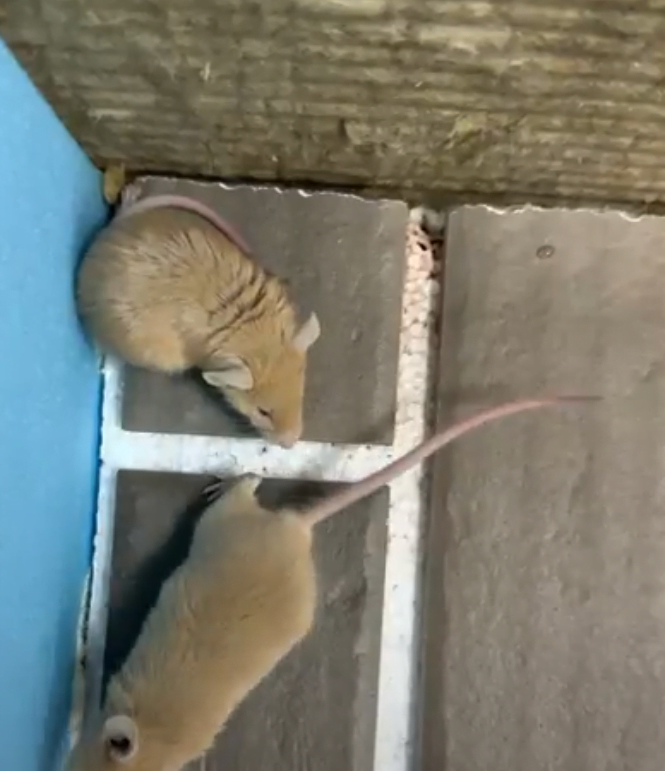
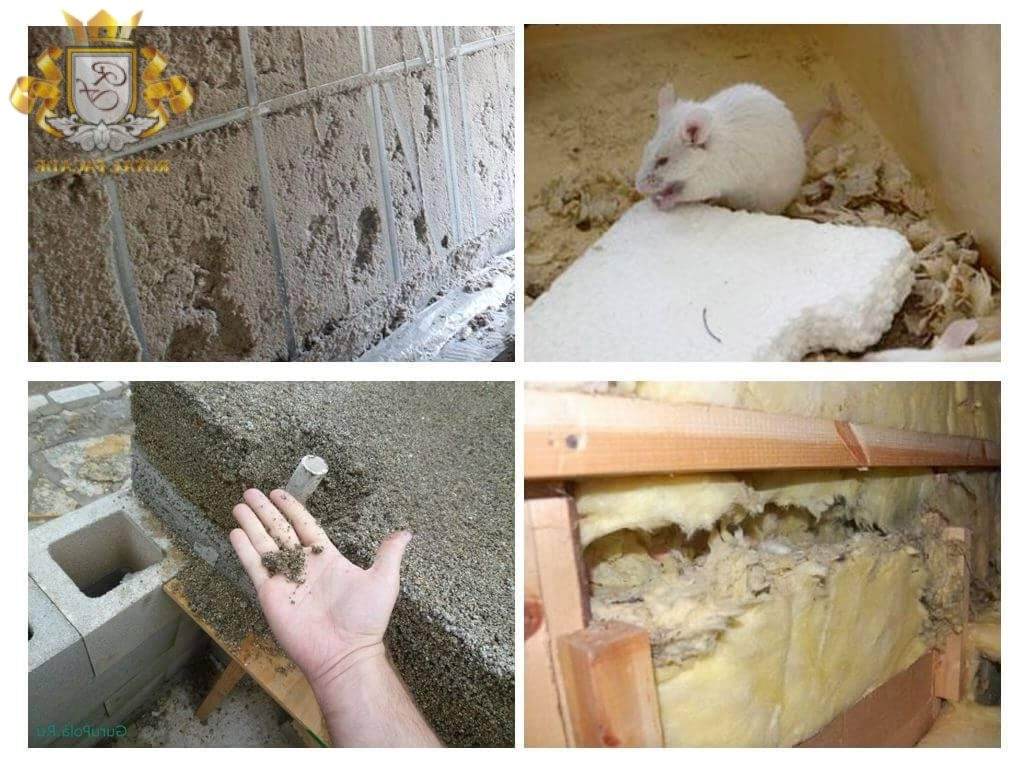
Photos of mice eating insulation materials in our experiments