Key stages of foam production
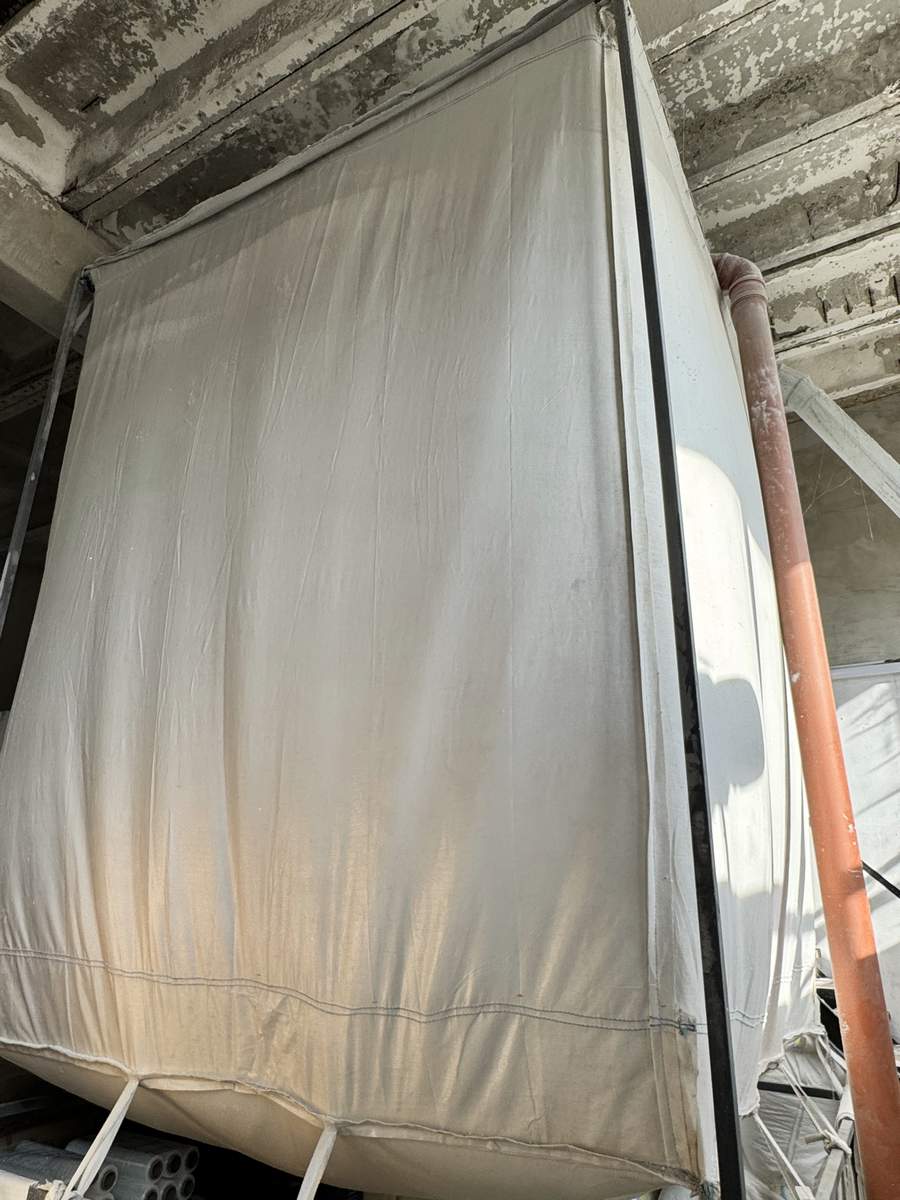
- Preparation for the manufacturing process. The process begins with the molecular polymerization of styrene in special reactors. The raw material (styrene), which resembles semolina in appearance, undergoes a steam treatment process at a certain temperature. As a result, each styrene bead expands several hundred times in volume (creating granulated polystyrene), which is the first sign that the future foam plastic is prepared for secondary processing using a mould.

Photo 1. Reactor for the molecular polymerisation of styrene.
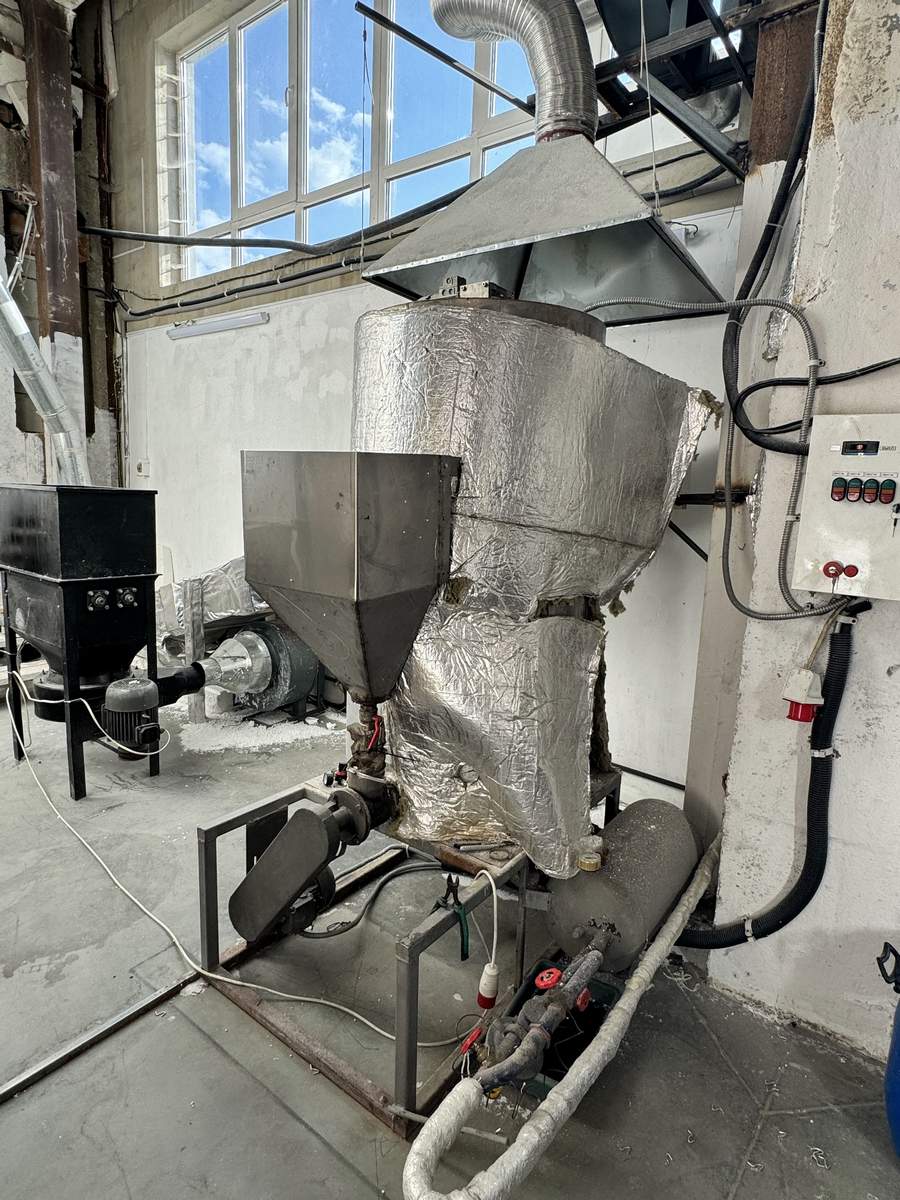
- Foaming of granules. After this, the styrene is transported to a separate block, where it must be kept for 6 hours — the foaming process takes place here. Specific initiating agents are used, activated by steam, which provokes the foaming. This is necessary for the quality stabilization of each granule (bead), enabling it to take a specific form and thus be prepared for further processing with steam in the mould.
Photo 2. Unit for foaming and stabilising pellets.
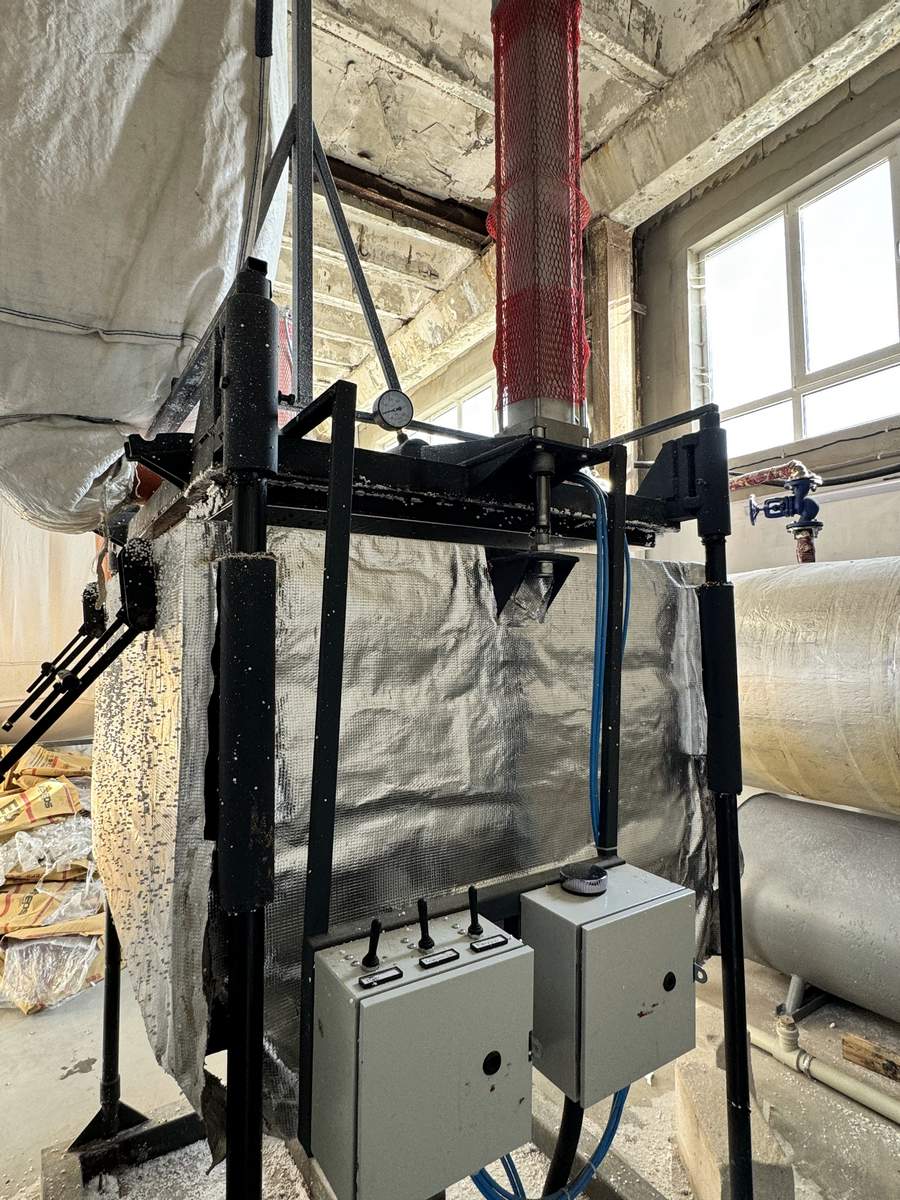
- Forming the final product. The styrene is poured into a mould and sealed to create airtight conditions: inside the mould, steam at high temperature and necessary pressure are maintained for the manufacturing process. As a result, the technical process of steaming the styrene begins — the raw material expands and bonds together, taking a specific shape.
Photo 3. A mould for forming a polystyrene block.
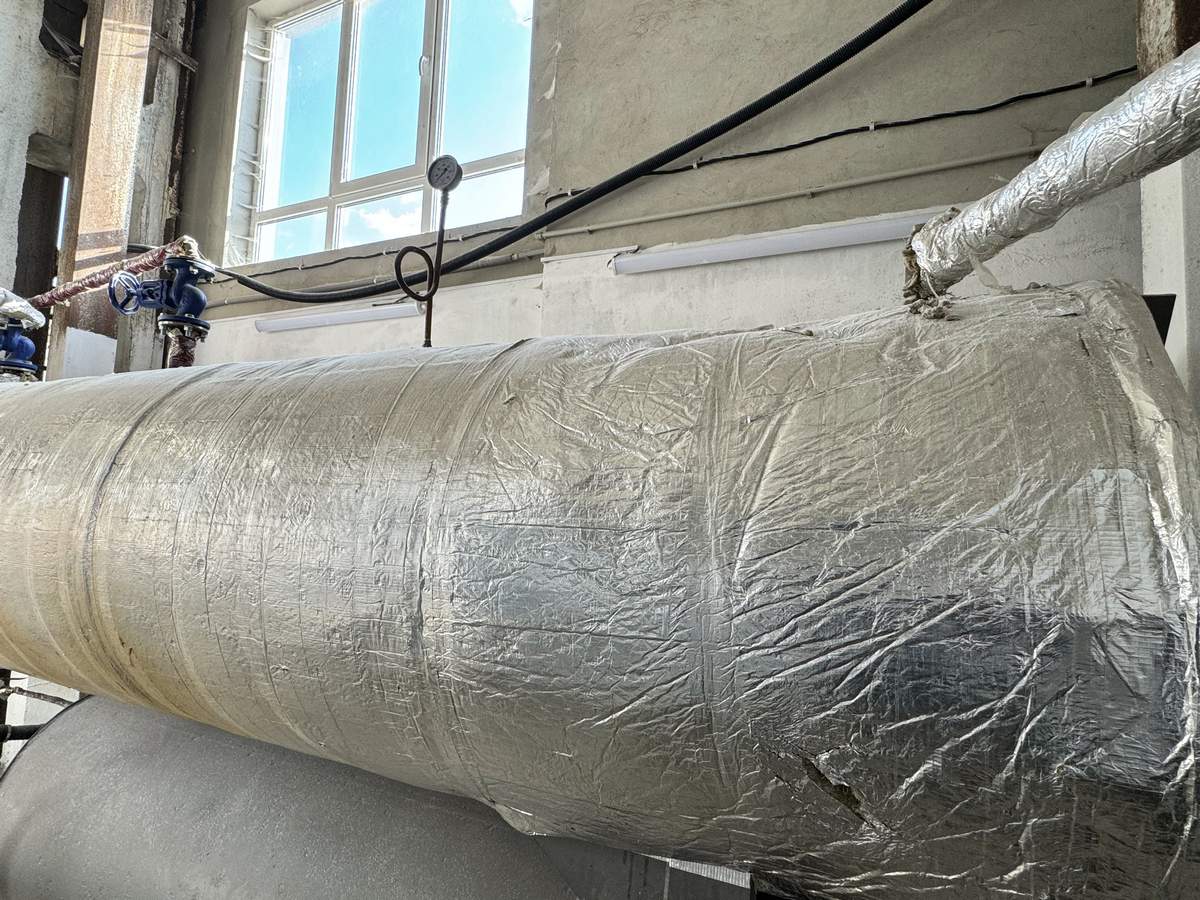
- Foaming. As soon as the mould is sufficiently heated, the process of creating optimal pressure is carried out to produce a high-quality final product. Other important conditions of production include the use of steam at the appropriate temperature, thus the operation of a modern steam generator, responsible for generating the required amount of steam that accumulates in the steam receiver (an insulated pipe), is crucial. Under the influence of steam, the styrene expands into bubbles, creating a porous structure characteristic of high-quality foam plastic.

Photo 4. Steam receiver for accumulating steam at the required temperature.
- Cooling and Vacuuming. It is necessary to use a vacuum pump, which helps to dry the already-formed block of future foam. This facilitates the process of removing polystyrene from the mould. During the foaming process, the polystyrene adheres very tightly to the mould wall, complicating the procedure for its quick removal. Therefore, the vacuum not only helps dry the future product but also speeds up the process of removing the foam from the mould.
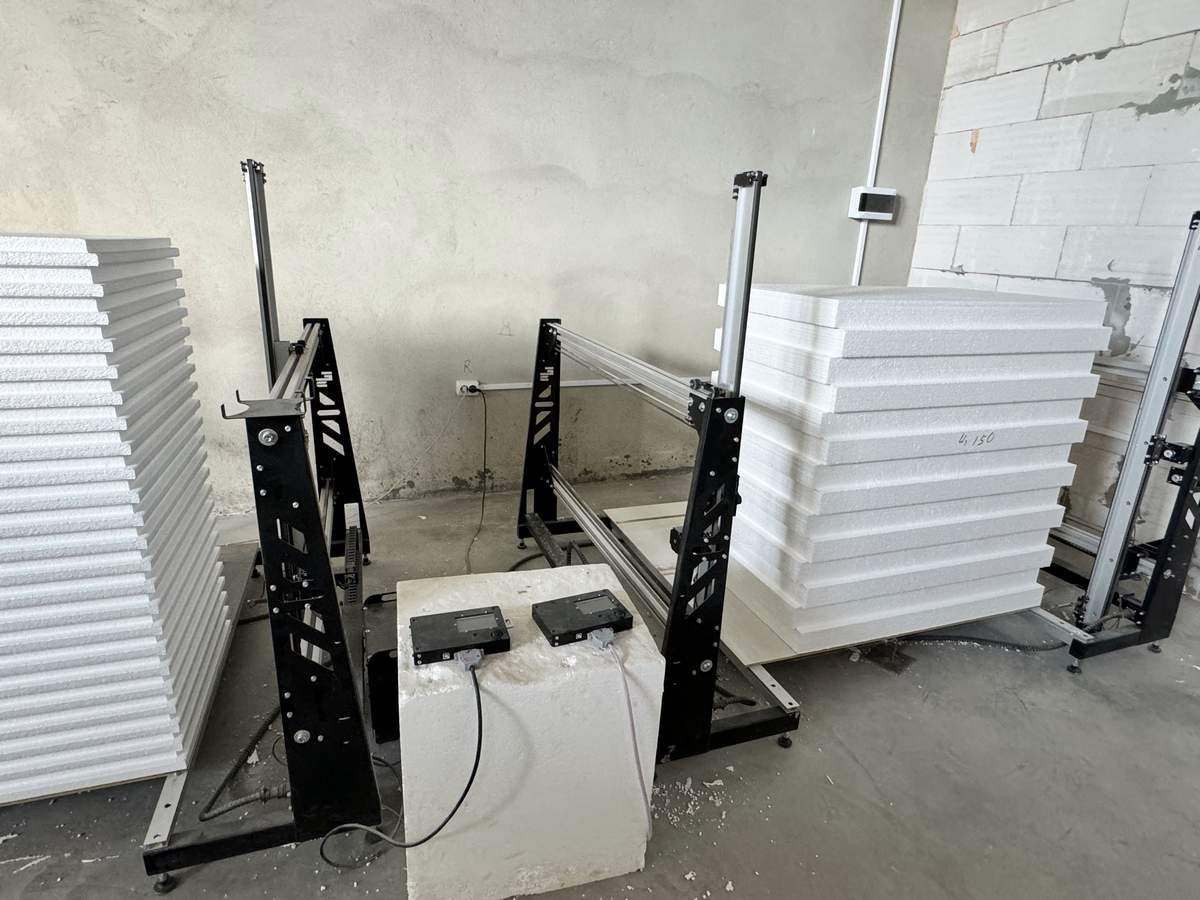
- CNC Machine Processing. Afterward, each formed block undergoes thorough inspection—this includes a weighing process. “Royal Facade” produces EPS 90, and therefore the minimum weight of each block must be 16 kg. This indicator precisely meets established norms and quality standards.
Photo 5. A CNC-controlled machine for cutting insulation.
The finished block will be sent for final drying for several days. After drying is complete, the insulation block can be subjected to a cutting procedure on a specialized machine with the aim of further manufacturing Royal Facade thermal panels.
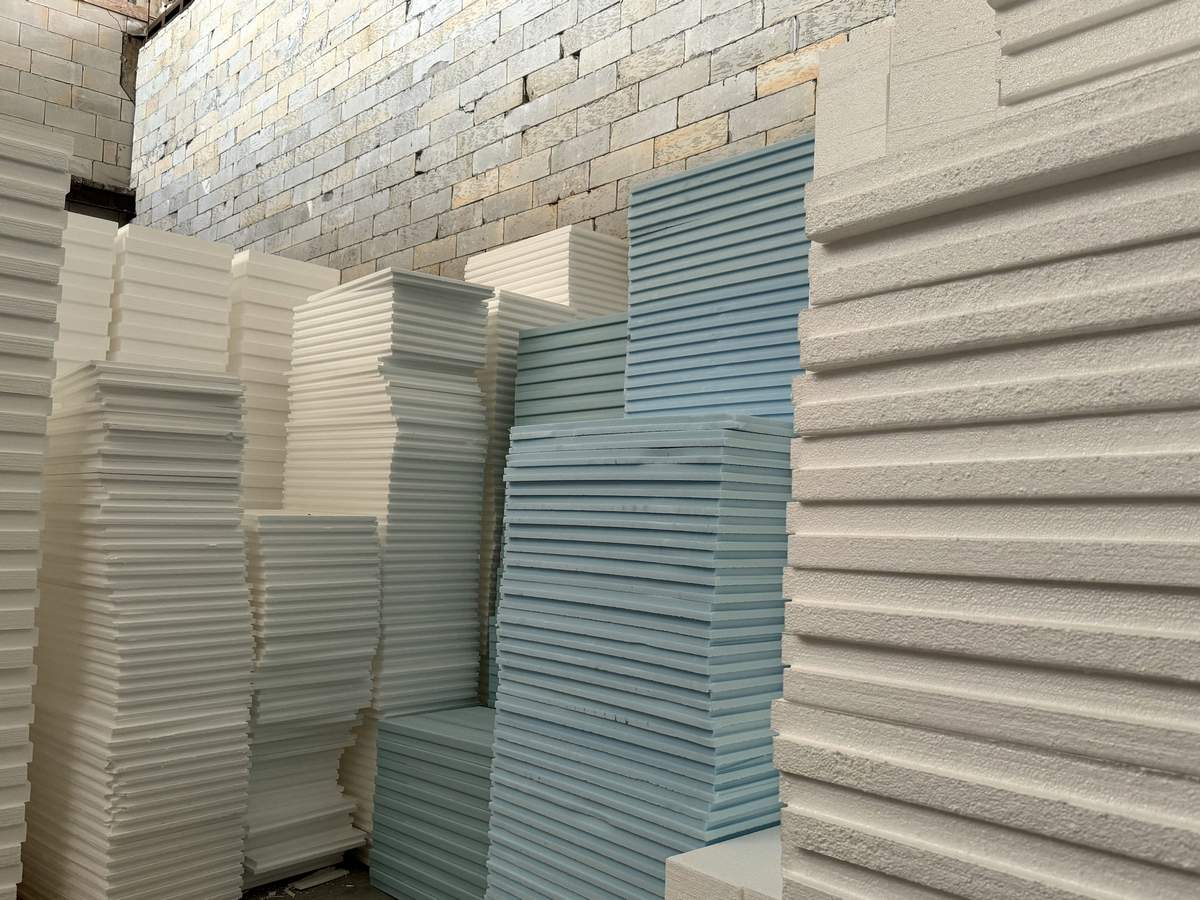
Photo 6. Sliced polystyrene foam blanks for Royal Facade thermal panels.
The production process of expanded polystyrene foam may vary slightly depending on the equipment used, technological capabilities, and operating principles of each manufacturer.
[embedyt] https://www.youtube.com/watch?v=dTpzoYp5iQU[/embedyt]